

Children's Foot Health
Flat Feet in Children: When It's Normal in Bridgewater, NJ
TL;DR: Flat feet in children are usually normal, painless, and part of typical development, with arches forming between ages 6 and 10. Flexible flatfoot rarely needs treatment, while rigid flatfoot or foot pain warrants evaluation. Supportive footwear, arch supports, and exercises are common conservative approaches; surgery is rare.
If you have noticed your child's feet look flat when they stand, you are not alone, and in most cases there is little reason to worry. Flat feet in children are extremely common and often a normal part of growing up. Understanding the difference between a harmless low arch and a foot that needs attention can bring real peace of mind. At PS Foot and Ankle in Bridgewater, NJ, Dr. Sanghvi helps families across Central New Jersey sort out what is typical development and what deserves a closer look.
What Are Flat Feet in Children?
Flat feet in children means the arch of the foot has not fully formed, so the sole makes near-full contact with the ground when standing. The medical term is pes planus, and it is a normal finding in infants and young kids.
Key takeaway: Most childhood flat feet are painless and resolve on their own as the foot matures, and staying informed about children's foot health helps parents know what to expect.
Understanding the arch of the foot
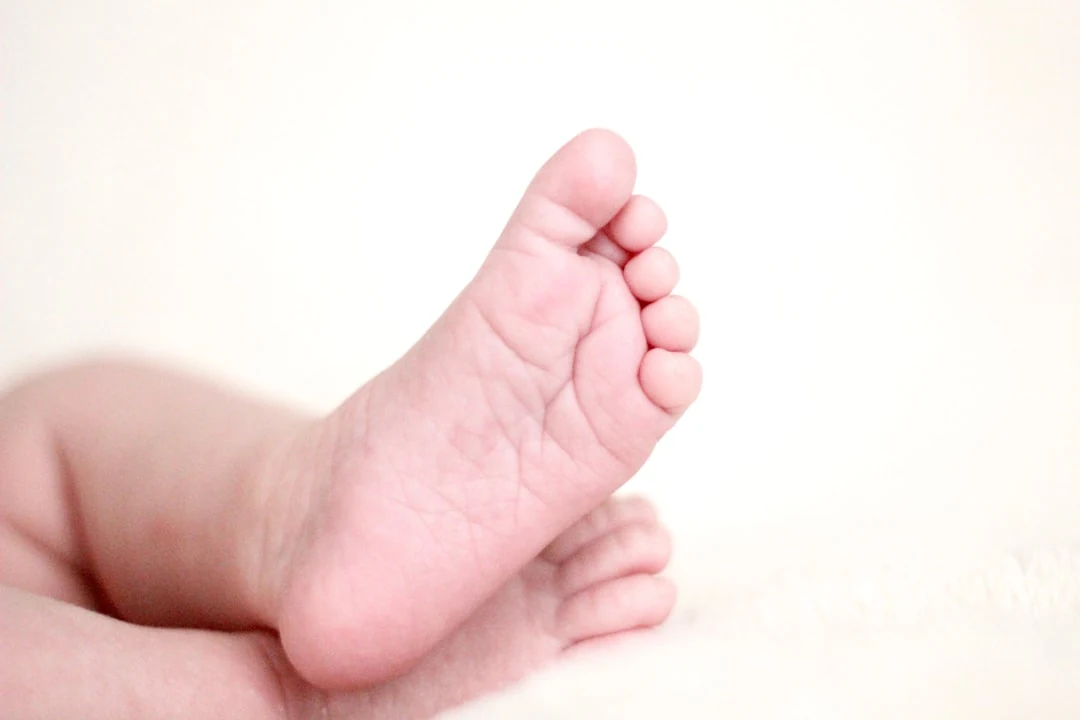
The arch of the foot acts like a natural spring, absorbing shock and supporting body weight. Babies are born with a fat pad that fills the arch space, so their feet naturally look flat. As ligaments tighten and muscles strengthen through the toddler and school-age years, a visible arch typically appears.
Pes planus vs. pes valgus explained
These two terms often appear together but describe different things:
- Pes planus: a lowered or absent arch (flatfoot).
- Pes valgus: an inward tilt of the heel, where the ankle rolls toward the midline.
Many children show a bit of both. When mild and painless, neither usually signals a problem.
Schedule Your Appointment Online
Flexible vs. Rigid Flatfoot: Key Differences
The most important distinction is whether a child's flatfoot is flexible or rigid. Flexible flatfoot shows an arch when the foot is off the ground or on tiptoes, while rigid flatfoot has no arch in any position.
Key takeaway: Flexible flatfoot is by far the most common and least concerning type, while rigid flatfoot is less common and warrants a professional evaluation.
The tiptoe test at home
You can try a simple check at home. Ask your child to stand and rise onto their tiptoes. If an arch appears as they lift their heels, the flatfoot is likely flexible. If the sole stays flat even on tiptoes, that may indicate a rigid flatfoot worth discussing with Dr. Sanjna Sanghvi.
Why rigid flatfoot needs closer attention
Rigid flatfoot can be linked to structural differences, such as bones that are fused together (tarsal coalition). According to the Cleveland Clinic, rigid flatfoot is more likely to cause pain or stiffness and benefits from earlier assessment. If your child's foot stays flat in every position, consider talking with your doctor.
What Causes Flat Feet in Kids?
The great majority of flat feet in kids are flexible and developmental: the arch is simply still on its way in, or the child inherited a naturally low arch. True structural or neuromuscular causes are the exception, and they usually announce themselves through pain, stiffness, or a foot that will not flex, rather than through appearance alone.
Key takeaway: Inherited foot shape and naturally loose, mobile joints explain most cases, and the typical child with flat feet has no underlying disorder at all.
The role of genetics and family history
Genetics and flat feet are closely connected. If a parent or sibling has flat feet, a child is far more likely to share the same low-arched foot shape, right down to how their footprints look in the sand at the shore. This inherited pattern is usually harmless and follows the family from one generation to the next.
Developmental and structural causes
Common contributors include:
- Loose ligaments: hypermobile joints that let the arch sink under body weight, often in a child who is generally bendy or "double-jointed."
- Overpronation: the foot rolling inward as it lands, which you may spot as ankles that tip toward each other when your child walks toward you.
- Delayed arch development: a normal timeline that simply runs a season or two longer than a sibling's.
- Structural causes: such as tarsal coalition or a tight Achilles tendon, which tend to produce a stiffer, sometimes painful foot rather than a soft, flexible one.
Parents sometimes ask whether a vitamin deficiency is to blame. There is no strong evidence that vitamin deficiency causes flat feet, though balanced nutrition supports healthy bone and muscle growth overall. And toddler flat feet, in particular, are an expected milestone in a new walker, not a warning sign.
Symptoms and Signs to Watch For
Flat feet become a concern when they cause symptoms rather than just a low arch. A painless flat foot in an active child rarely needs treatment, but discomfort or difficulty with activity deserves attention.
Key takeaway: Pain, fatigue, or a change in how your child walks are the flat feet symptoms most worth monitoring.
Pain, fatigue, and gait changes
Watch for these signs:
- Foot, ankle, or leg fatigue after activity
- Heel pain in kids or arch soreness
- An awkward or clumsy walking gait
- Frequent tripping or reluctance to walk far
- Avoiding sports or outdoor play they once enjoyed
If any of these appear, it may be time to see a doctor for an evaluation.
Could flat feet affect focus or activity levels?
Some parents notice a child avoids running around at parks or long family walks. Tired, achy feet can make active play less appealing, which may look like low energy or distraction. Addressing foot comfort sometimes helps kids re-engage, though Dr. Sanjna Sanghvi can help rule out other causes.
At What Age Do Flat Feet Normally Resolve?
Most children develop visible arches between ages 6 and 10 as ligaments tighten and foot muscles strengthen. Before that window, flat feet are considered a normal stage.
Key takeaway: If arches have not appeared by around age 8 to 10, or if pain is present, a podiatry evaluation at our Bridgewater practice can offer clarity.
A developmental timeline by age
| Age Range | What's Typical |
|---|---|
| 0-2 years | Flat feet are normal; a fat pad fills the arch. |
| 3-5 years | Arch may start forming; flexible flatfoot common. |
| 6-10 years | Visible arch usually develops in most children. |
| 10+ years | Persistent flatfoot may continue into adulthood. |
Will my child outgrow flat feet?
Many children do outgrow the appearance of flat feet as the arch develops. Some keep a lower arch into adulthood, and that is often perfectly fine when it stays painless. The Mayo Clinic notes that flat feet without symptoms generally need no treatment.
How Flat Feet Are Diagnosed and Treated
Diagnosis of flat feet begins with a physical exam and gait observation, and most children need only conservative care. Treatment ranges from supportive footwear to orthotics, physical therapy, and, rarely, surgery.
Key takeaway: Conservative, non-surgical care is the first approach for pediatric flat feet treatment, and surgery is reserved for uncommon, symptomatic cases.
Diagnosis: exam, gait analysis, and imaging
Dr. Sanghvi will watch how your child stands and walks, check flexibility, and perform the tiptoe test. Imaging such as X-rays is used only when a rigid flatfoot or structural cause is suspected.
Non-surgical care: footwear, arch supports, and exercises
Common approaches include:
- Supportive footwear for flat feet with a firm heel counter.
- Over-the-counter arch supports or, when needed, custom orthotics for foot pain.
- Physical therapy and stretching for a tight Achilles tendon.
- Calf and foot-strengthening exercises.
Not every child needs custom orthotics; many do well with shoe support alone. Costs and insurance coverage for children's orthotics vary, so ask Dr. Sanghvi what applies to your plan. Talk with us at PS Foot and Ankle before starting any treatment.
When is surgery necessary for kids fallen arches?
Surgery for flat feet is uncommon in children and is generally considered only for painful, rigid cases that do not respond to conservative care. Procedures such as HyProCure are sometimes discussed for kids fallen arches, but shoe inserts and orthotics are typically tried first. Any surgical decision involves a detailed conversation with a specialist.

Long-Term Outlook and Prevention Tips
The long-term outlook for flat feet in children is excellent. The overwhelming majority grow up to hike the Sourland Mountain trails, play travel soccer, and keep pace at Duke Farms without a single arch-related complaint. Prevention is less about forcing an arch to appear and more about keeping feet comfortable and well supported while they finish developing.
Key takeaway: Untreated painless flat feet rarely cause harm, but knowing the warning signs to watch for helps parents act early if discomfort appears.
What happens if flat feet go untreated?
When flat feet are flexible and painless, leaving them untreated is usually fine. In cases with ongoing pain or a rigid structure, untreated flatfoot may lead to discomfort or overpronation-related strain over time, which is why symptomatic feet deserve evaluation.
Supportive habits and footwear choices
A few practical habits go a long way:
- Choose well-fitting shoes with a firm heel counter and real arch support, and check the fit each new school year as feet grow.
- Encourage barefoot play on safe, varied surfaces, grass at the local park, sand at the shore, to help small foot muscles build strength.
- Retire sneakers once the tread wears smooth or the heel collapses inward, usually well before they are outgrown by size.
- Keep kids moving with walks, bike rides, and outdoor play on the trails and fields around Bridgewater and the wider Central Jersey area.
If discomfort persists, Dr. Sanghvi can help families in Central and North New Jersey weigh their options.
Talk With Our Bridgewater Team
Flat feet are one of the most common reasons parents visit a podiatry practice, and most cases turn out to be perfectly normal. If your child has foot pain, trouble keeping up with play, or a flatfoot that concerns you, the specialists at PS Foot and Ankle in Bridgewater, NJ are here to help you understand your options with a calm, family-friendly approach.
Sources
Frequently Asked Questions
At what age do flat feet in children usually go away?
Flat feet in children often resolve naturally between ages 6 and 10, as the ligaments tighten and foot muscles strengthen. Many kids develop a visible arch by the school-age years. If flatness persists with pain or stiffness beyond this window, come see Dr. Sanhgvi for an evaluation.
When should I worry about my child's flat feet?
You should worry if your child's flat feet cause pain, stiffness, or difficulty walking, or if the arch stays absent even on tiptoes. Rigid flatfoot, unlike the common flexible type, may signal an underlying issue. Consult Dr. Sanjna Sanghvi if you notice these warning signs or one-sided flatness.
What is the difference between flexible and rigid flatfoot in children?
Flexible flatfoot shows an arch when the foot is off the ground or on tiptoes, and it is by far the most common and least concerning type. Rigid flatfoot has no arch in any position and may need professional evaluation, as it can indicate a structural concern.
What does pes planus mean in children?
Pes planus is the medical term for flatfoot, meaning the arch is lowered or absent so the sole nearly touches the ground when standing. It is a normal finding in infants and young kids, whose fat-filled arch space naturally makes their feet look flat until the arch develops.
Is treatment or surgery ever required for pediatric flat feet?
Treatment is rarely needed for pediatric flat feet, and most cases resolve on their own without intervention but, painful or rigid flatfoot may benefit from supportive shoes, orthotics, or stretching. Surgery is quite uncommon. Come visit Dr. Sanghvi to determine whether your child needs additional attention.
Can flat feet in children be prevented?
Flat feet in children generally cannot be prevented, since low arches are a normal part of early development tied to bone and muscle maturation. Supportive footwear and healthy activity may help foot development, but flexible flatfoot usually improves naturally. Consult with Dr. Sanghvi if flatness causes pain or discomfort.
What is pes valgus and how does it differ from flatfoot?
Pes valgus describes an inward tilt of the heel, where the ankle rolls toward the midline, while pes planus refers to a lowered arch. Many children show a bit of both together. When mild and painless, neither condition usually signals a problem requiring treatment.
Talk With Our Bridgewater Podiatry Team
Is your child's flat foot normal or a sign of something more? Learn the tiptoe test, when arches form, and the simple signs that tell you it's time to check in.