

Turf Toe Treatment in Bridgewater NJ

Full Mobility Without Big Toe Joint Pain

Turf toe support

Professional turf toe evaluation and treatment including X-ray diagnosis, immobilization options, and corticosteroid injections to heal your big toe joint injury effectively.

What Is a Turf Toe Injury?

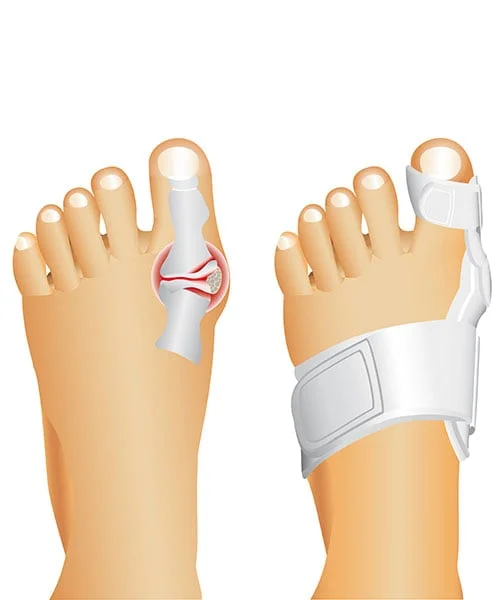
Turf toe is a common injury that affects the big toe joint, typically occurring in athletes who play on artificial turf or other hard surfaces. It is a sprain of the ligaments around the base of the big toe joint and is caused by hyperextension of the toe, which can happen during activities such as running, jumping, or pushing off the ground.

This type of injury can cause pain, swelling, and stiffness in the big toe joint, and can make it difficult to walk or run. In some cases, the toe may also bruise or turn black and blue.

How Is a Turf Toe Injury Treated?

Treatment for a turf toe injury typically involves the following:

  1. Rest: Avoid putting weight on the affected foot and limit activities that put stress on the big toe joint. This may mean taking a break from sports or other physical activities for a period of time. Ideally it is best to evaluate with X-rays to ensure no fracture is present.
  2. Ice: Apply ice to the affected area for 15 to 20 minutes at a time, several times a day, to help reduce pain and swelling.
  3. Compression: Wrap the affected foot with a compression bandage to help reduce swelling and provide support to the injured joint.
  4. Elevation: Elevate the affected foot above heart level to help reduce swelling.
  5. Pain relief: Take over-the-counter pain relievers such as acetaminophen or ibuprofen to help relieve pain and reduce inflammation.
  6. Stiff-soled shoes or inserts: Wear a stiff-soled shoe or shoe insert to limit movement of the big toe joint and promote healing.
  7. Physical therapy: Depending on the severity of the injury, your doctor may recommend physical therapy to help restore strength and flexibility to the affected area.

In some cases, more aggressive treatment may be necessary, such as immobilization with a cast or walking boot, or corticosteroid injections may be suggested to reduce inflammation. It is important to seek medical attention if you suspect you have a turf toe injury or if you experience severe pain, swelling, or difficulty moving your toe or foot. Early treatment can help prevent long-term complications and promote faster healing. Make an appointment at PS Foot and Ankle for a full evaluation.

Get Back on Your Feet After a Turf Toe Injury

If big toe joint pain is keeping you off the field or making it hard to walk, the team at PS Foot and Ankle in Bridgewater, NJ can evaluate your turf toe and build a treatment plan suited to you.

Frequently Asked Questions

What is turf toe?

Turf toe is a sprain of the ligaments around the base of the big toe joint. It is caused by hyperextension of the toe and commonly affects athletes who play on artificial turf or other hard surfaces.

What causes turf toe?

Turf toe is caused by hyperextension of the big toe, which can happen during activities such as running, jumping, or pushing off the ground.

What are the symptoms of turf toe?

Turf toe can cause pain, swelling, and stiffness in the big toe joint, and can make it difficult to walk or run. In some cases, the toe may also bruise or turn black and blue.

How is turf toe treated?

Treatment typically includes rest, ice, compression, and elevation, along with over-the-counter pain relievers and stiff-soled shoes or inserts to limit movement of the joint. Physical therapy may help restore strength and flexibility. In some cases, immobilization with a cast or walking boot, or a corticosteroid injection, may be needed. X-rays are recommended to ensure no fracture is present.

When should I see a doctor for turf toe?

It is important to seek medical attention if you suspect you have a turf toe injury or if you experience severe pain, swelling, or difficulty moving your toe or foot. Early treatment can help prevent long-term complications and promote faster healing.

Call PS Foot & Ankle 732-443-3975