Ingrown Toenail Treatment in Bridgewater NJ

Pain-Free Toes With Complete Healing And Comfort

Ingrown toenail treatment

Comprehensive ingrown toenail treatment from basic care to surgical solutions, providing fast pain relief and promoting complete healing to restore your comfort.

Understanding Ingrown Toenails: A Common Foot Concern

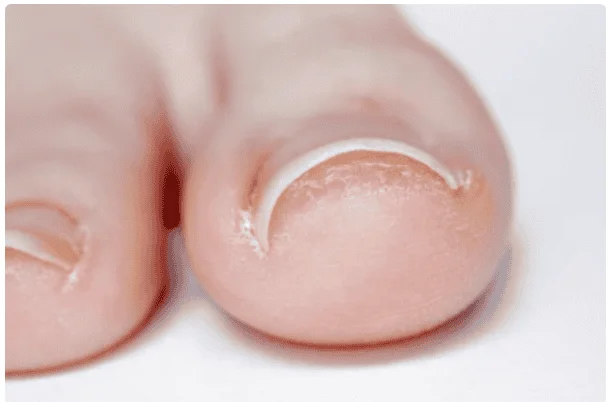
An ingrown toenail, also known as onychocryptosis, occurs when the edge of a toenail grows into the skin surrounding it, leading to pain, redness, swelling, and potentially infection. While ingrown nails most commonly affect the big toe, they can occur on any toe.

Several factors can contribute to ingrown toenails, including improper trimming techniques, tight footwear, injury, or hereditary predispositions. Individuals with curved or thick nails may be more susceptible to this condition. If left untreated, ingrown toenails can lead to serious complications, including infections.

Common Causes of Ingrown Toenails

  • Improper trimming: Cutting nails too short or rounding the edges can lead to ingrowth.
  • Tight footwear: Shoes that pinch or compress the toes can increase pressure on the nail.
  • Injury: Trauma to the toe can cause the nail to grow improperly.
  • Hereditary factors: Some individuals may have naturally curved or thick nails that predispose them to ingrown nails.

Do not attempt to remove the ingrown toenail yourself. Doing so can increase the risk of infection and possible loss of the nail. Seek an appropriate evaluation and address the situation before it worsens. Same-day appointments are available, so call today.

Treatment Options for Ingrown Toenails

Explore our comprehensive solutions designed to relieve pain and promote healing for ingrown toenails, ensuring you can return to your daily activities comfortably.

Initial Care: Start With the Basics

Soak the affected foot in warm water with Epsom salts for 15 to 20 minutes several times a day to reduce pain and inflammation. Trim toenails straight across without rounding the corners. If you have diabetes or poor circulation, visit us at PS Foot and Ankle for safe nail trimming to avoid complications.

Pain Relief and Footwear Tips

Wearing open-toed shoes or sandals can alleviate pressure on the affected area. Over-the-counter pain relievers like ibuprofen or acetaminophen may help, but if inflammation persists, professional treatment may be necessary.

Surgical Solutions: When Necessary

If the nail is infected or causing significant pain, an appointment at PS Foot and Ankle may be needed to remove part or all of the nail under local anesthesia. Seek immediate medical attention if you experience severe pain, redness, swelling, or systemic symptoms like fever or nausea.

Get Fast Relief From Ingrown Toenail Pain

If an ingrown toenail is making every step uncomfortable, the team at PS Foot and Ankle in Bridgewater, NJ can evaluate it and recommend the right care, from simple at-home steps to in-office treatment.

Frequently Asked Questions

What are the signs of an ingrown toenail?

Common signs include pain along one side of the toe, redness and swelling around the nail edge, and drainage of pus if an infection is present.

How can I prevent ingrown toenails?

To prevent ingrown toenails, trim your toenails straight across without tapering the corners and avoid tight-fitting shoes that put pressure on your toes.

When should I see a doctor for my ingrown toenail?

You should see a doctor if your ingrown toenail is painful, shows signs of infection (redness, swelling, pus), or if you have underlying conditions like diabetes that could complicate healing.

What home remedies can I try?

Home remedies include soaking your foot in warm water with Epsom salts and applying antibiotic ointment after soaking. However, if symptoms persist or worsen, seek professional care.

What happens during a surgical procedure for an ingrown toenail?

During surgery, the doctor will numb your toe and may remove part or all of the affected nail. They may also treat the nail bed to prevent regrowth of the ingrown portion.

How long does recovery take after treatment?

Recovery time can vary depending on the severity of the condition and treatment method used. Most people can return to normal activities within a few days after minor procedures but should follow their doctor's advice regarding care post-treatment.

Call PS Foot & Ankle 732-443-3975