

Heel Pain in Bridgewater NJ

Get Back to Pain-Free Steps From Your First Step of the Day

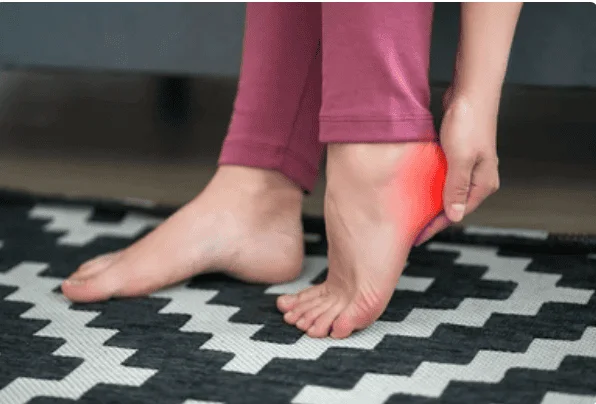
Woman with heel pain

Heel pain can disrupt your morning routine and your favorite activities. PS Foot and Ankle identifies the cause and builds a relief plan suited to you.

Common Causes of Heel Pain

Heel pain is a common ailment that can affect people of all ages and lifestyles, disrupting daily activities and quality of life. The leading causes of heel pain include plantar fasciitis, Achilles tendinitis, and heel spurs.

Plantar fasciitis occurs when the band of tissue connecting the heel bone to the toes becomes inflamed, often due to overuse, improper footwear, obesity, or foot mechanics issues. Achilles tendinitis involves inflammation of the large tendon connecting the calf muscles to the heel bone, typically caused by overuse, sudden increases in activity, poor footwear, or tight calf muscles. Heel spurs, bony growths on the underside of the heel bone, are often associated with plantar fasciitis and can develop due to age, obesity, or long-term strain on the plantar fascia.

Identifying Heel Pain Conditions

Identifying heel pain conditions typically involves recognizing symptoms such as sharp or dull pain in the heel, especially in the morning or after prolonged periods of rest. Some individuals may experience swelling, redness, or warmth in the affected area, as well as difficulty walking or standing for extended periods.

To better understand your condition, it is best to consult with a healthcare professional, such as a podiatrist. They may recommend imaging tests like X-rays or MRIs to identify specific conditions.

Effective Strategies for Relief

Several effective strategies can help alleviate heel pain:

  • R.I.C.E. method: Rest, Ice, Compression, and Elevation is a common approach to managing pain and reducing inflammation.
  • Stretching: Gentle stretching exercises for the calf muscles and Achilles tendon can improve flexibility and reduce tension.
  • Supportive shoegear and orthotics: Investing in supportive shoegear with proper arch support and cushioning, or considering custom orthotics, can help alleviate strain on the heel.
  • Physical therapy: Physical therapy can address muscle imbalances, improve strength, and correct gait issues.
  • Anti-inflammatory medication: Non-steroidal anti-inflammatory drugs (NSAIDs) may help manage pain and reduce inflammation under the guidance of a podiatrist.

By understanding the causes of heel pain and implementing these relief strategies, you can take steps toward alleviating discomfort and improving your overall foot health.

Do not let heel pain hold you back. If you are experiencing persistent or severe heel pain, do not hesitate to seek professional help. Our experienced podiatrists at PS Foot and Ankle provide personalized care and treatment options tailored to your specific needs. Contact us today to schedule an appointment and take the first step toward pain-free feet.

Stop Letting Heel Pain Dictate Your Day

If sharp or lingering heel pain is slowing you down, the team at PS Foot and Ankle in Bridgewater, NJ can pinpoint the cause and build a treatment plan suited to you.

Frequently Asked Questions

What are the most common causes of heel pain?

The leading causes of heel pain include plantar fasciitis, Achilles tendinitis, and heel spurs. Plantar fasciitis is inflammation of the band of tissue connecting the heel bone to the toes. Achilles tendinitis is inflammation of the large tendon connecting the calf muscles to the heel bone. Heel spurs are bony growths on the underside of the heel bone, often associated with plantar fasciitis.

What are the symptoms of heel pain conditions?

Symptoms often include sharp or dull pain in the heel, especially in the morning or after prolonged periods of rest. Some individuals may also experience swelling, redness, or warmth in the affected area, as well as difficulty walking or standing for extended periods.

How is the cause of heel pain diagnosed?

It is best to consult with a healthcare professional, such as a podiatrist. To identify the specific condition, they may recommend imaging tests like X-rays or MRIs.

How can heel pain be relieved at home and in the clinic?

Several strategies can help. The R.I.C.E. method (Rest, Ice, Compression, and Elevation) helps manage pain and inflammation, and gentle calf and Achilles stretching can improve flexibility. Supportive shoegear or custom orthotics relieve strain on the heel, physical therapy addresses muscle imbalances and gait, and NSAIDs may help under a podiatrist's guidance. For persistent or severe heel pain, seek professional help.

Call PS Foot & Ankle 732-443-3975