Fat Pad Atrophy Treatment in Bridgewater NJ

Walk Pain-Free With Restored Foot Comfort

Fat pad atrophy treatment

Our Bridgewater foot surgeons treat fat pad atrophy with injections, orthotics, and surgical options, creating personalized treatment plans to eliminate foot pain and restore mobility.

What Is Fat Pad Atrophy of the Foot?

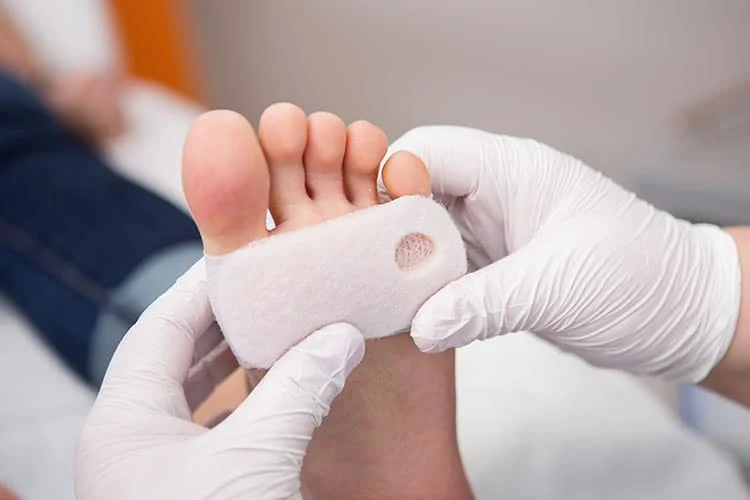
Fat pad atrophy in the foot is a condition in which the natural cushioning or padding in the ball of the foot, located just behind the toes, wears away or thins out. This padding is made up of fat and connective tissue and helps to absorb shock and protect the bones and joints in the foot during movement.

As the fat pad thins out, the bones in the foot become more exposed, which can lead to pain, discomfort, and even injury. Fat pad atrophy is commonly seen in people as they age, but it can also occur in people who have experienced trauma to the foot or have certain medical conditions such as diabetes or rheumatoid arthritis. Symptoms of fat pad atrophy may include pain, tenderness, and a feeling of walking on hard or uneven surfaces.

Foot pain relating to fat pad atrophy may not be obvious. Sometimes an X-ray or a clinical exam is best to determine the issue. Stay vigilant about your feet and seek an evaluation.

What Are Fat Pad Injections?

Fat pad injections for the foot involve injecting a substance, such as hyaluronic acid or corticosteroids, into the ball of the foot to help alleviate pain and discomfort caused by fat pad atrophy. Hyaluronic acid injections may help to improve the thickness and elasticity of the fat pad, while corticosteroids can help reduce inflammation and swelling. The injections are typically done on an outpatient basis and may be done under local anesthesia. Most patients are able to fully walk and resume most activities following the injection, with appropriate caution and care to the injection site. The effect of the injection will be gradually seen in the two weeks following the injection. The injection aims to recreate the natural cushioning of your foot to eliminate pain.

Other treatments for fat pad atrophy may include using supportive footwear or custom orthotics, cushioning pads or inserts, physical therapy exercises, or surgery in severe cases. The most appropriate treatment plan will depend on the severity of the condition and the individual's overall health and medical history.

Come in for an evaluation if you seem to suffer from fat pad atrophy and have notable pain at the ball of your foot. Our foot and ankle surgeon will comprehensively evaluate your condition and recommend the right approach for you.

Related Bunion Symptoms and Treatment

What Are Some Bunion Symptoms?

  • Persistent pain and soreness of the foot, and sometimes the ankle
  • Inflammation and redness around the big toe joint
  • Corns or calluses in between the first and second toes
  • Burning or possible numbness
  • Pain and irritation more often with a tight toe box or stiletto high heels. Long periods in these types of shoes will aggravate symptoms.

What Are Some Conservative Treatment Options for Bunions?

This all depends on the severity of your bunion. Sometimes observation, a change in shoe gear such as wider shoes, and periodic radiographic evaluation by your surgeon is advised. Padding over the bunion, such as a bunion shield, is another modality that can help minimize pain. Note that it will not prevent the bunion, but it will provide some relief in symptoms. Orthotics are also a useful investment to reduce the chance of metatarsal migration and joint damage, and to provide comfort while walking. Furthermore, activity modifications, physical therapy sessions, body habitus, icing, anti-inflammatory medication, and local corticosteroid injections may help with your bunion deformity and its progression.

When Would I Need Surgery for My Bunion?

If all of the above nonsurgical treatment options fail to relieve bunion pain and the bunion deformity is interfering with your daily activities, it is certainly time to discuss surgical options with our foot and ankle surgeon. Together we can decide which type of bunion surgery is best for you in reducing the pain and deformity. In selecting the procedure or procedures, the foot and ankle surgeon will take into consideration the extent of your bunion based on the x-ray findings, your age, your weight, your activity level, and other factors. The length of the recovery period will vary, depending on the procedure or procedures performed.

It is important to discuss the risks and benefits of surgery with your doctor to make an informed decision about your treatment plan. Come in for a consultation at PS Foot and Ankle and we can provide a personalized individual plan.

Restore the Cushioning in Your Step

If pain at the ball of your foot is making every step feel hard, the team at PS Foot and Ankle in Bridgewater, NJ can evaluate fat pad atrophy and build a treatment plan suited to you.

Frequently Asked Questions

What is fat pad atrophy of the foot?

Fat pad atrophy is a condition in which the natural cushioning in the ball of the foot, located just behind the toes, wears away or thins out. This padding is made up of fat and connective tissue that helps absorb shock and protect the bones and joints during movement. As it thins, the bones become more exposed, which can lead to pain, discomfort, and even injury.

What are the symptoms of fat pad atrophy?

Symptoms may include pain, tenderness, and a feeling of walking on hard or uneven surfaces. The foot pain is not always obvious, so sometimes an X-ray or a clinical exam is best to determine the issue. It helps to stay vigilant about your feet and seek an evaluation.

What are fat pad injections?

Fat pad injections involve injecting a substance, such as hyaluronic acid or corticosteroids, into the ball of the foot to help alleviate pain and discomfort. Hyaluronic acid may help improve the thickness and elasticity of the fat pad, while corticosteroids can help reduce inflammation and swelling. The injections are typically done on an outpatient basis and may be done under local anesthesia, and the effect is gradually seen in the two weeks following the injection.

What other treatments are available for fat pad atrophy?

Other treatments may include supportive footwear or custom orthotics, cushioning pads or inserts, physical therapy exercises, or surgery in severe cases. The most appropriate treatment plan depends on the severity of the condition and the individual's overall health and medical history.

When should I see a foot and ankle surgeon?

Come in for an evaluation if you seem to suffer from fat pad atrophy and have notable pain at the ball of your foot. Our foot and ankle surgeon at PS Foot and Ankle in Bridgewater, NJ will comprehensively evaluate your condition and recommend the right approach for you.

Call PS Foot & Ankle 732-443-3975