

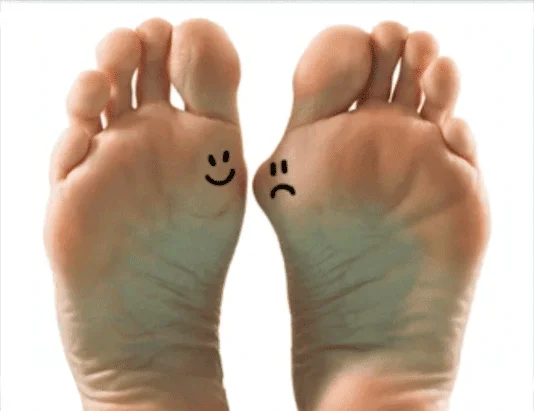


Unmasking the Bunion: More Than Just a Bump
Are you noticing a bony protrusion at the base of your big toe, accompanied by discomfort and pain? You might be dealing with a bunion, a common foot condition affecting millions worldwide.
A bunion, medically known as hallux valgus, is a progressive deformity of the metatarsophalangeal (MTP) joint at the base of the big toe. As the condition advances, the big toe leans toward the second toe and the joint protrudes outward. The American Podiatric Medical Association recognizes bunions as a significant foot problem that can substantially affect foot function and quality of life.
Bunions are progressive, which is the part patients most often miss. The bump does not reverse on its own, and the rate of change varies widely from person to person. Family history and foot structure play a larger role than most people expect; tight shoes tend to accelerate an existing tendency rather than create one from nothing. That is why two people can wear the same shoes for twenty years and only one develops a bunion.
At PS Foot and Ankle, we provide comprehensive evaluations, including same-day, in-office X-rays, to accurately diagnose your bunion and assess its severity. This immediate imaging allows us to develop a tailored treatment plan during your initial visit, ensuring prompt and effective care.
Key Indicators of a Bunion
- A visible, bony bump at the base of the big toe
- Pain or tenderness around the affected joint
- Redness and swelling in the area
- Difficulty finding comfortable footwear
- Restricted range of motion in the big toe
What Your First Visit Looks Like
A bunion evaluation starts with how the joint behaves, not just how it looks. We ask when the pain shows up, which shoes provoke it, and what it stops you doing. We then examine the joint's range of motion and check whether the second toe has begun to shift, since toe crowding often signals that the deformity is affecting the wider forefoot.
Weight-bearing X-rays, taken in our Bridgewater office the same day, show the angle between the bones while your foot carries load. That angle, together with your symptoms and activity level, is what separates a bunion best managed conservatively from one where surgical correction is worth discussing. Many patients get meaningful relief from footwear changes, padding, and orthotics; when those stop working, there are several correction procedures and the right one depends on your specific pathology.
If bunion pain has moved from an occasional annoyance to something that shapes your day, that trend alone is worth an evaluation. Understanding where your bunion sits on that progression is what makes the next decision an informed one.