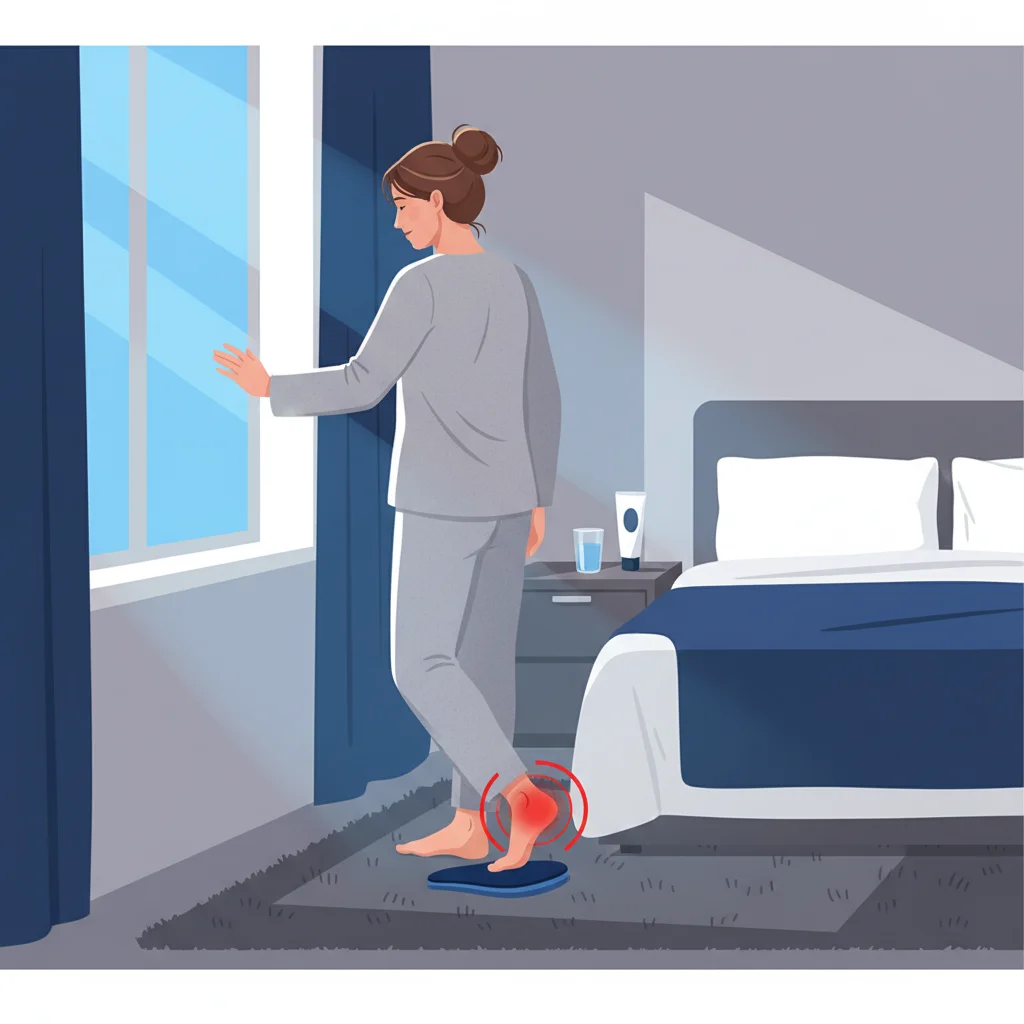
When Morning Heel Pain Signals Something More Serious
Most cases of morning heel pain improve with conservative care, but certain warning signs suggest the need for a professional evaluation. Knowing when to see a podiatrist can prevent a manageable condition from becoming a chronic problem.
Seek an evaluation if you experience any of the following:
- Pain persisting for more than two weeks despite rest and home care
- Visible swelling, bruising, or redness around the heel
- Numbness or tingling in the foot or heel
- Pain that worsens progressively throughout the day rather than improving
- Heel pain in both feet simultaneously
- Difficulty bearing weight or changes in your walking pattern
A podiatric evaluation typically includes a physical examination, gait analysis, and imaging such as X-rays or ultrasound to determine the precise cause of your symptoms.
Professional Treatment Options for Persistent Heel Pain
When home care is not enough, a podiatrist can develop a targeted treatment plan based on your specific diagnosis. Patients seeking custom orthotics for foot pain and other clinical interventions have several proven options available at our office, PS Foot and Ankle, in Bridgewater, NJ.
Custom Orthotics and Physical Therapy
Custom orthotics are prescription insoles molded to your unique foot structure, designed to redistribute pressure and support the arch where it needs it most. Physical therapy programs often include targeted stretching, eccentric strengthening exercises for the calf and foot, and manual therapy techniques. Research suggests that combining orthotics with a structured physical therapy program may produce better outcomes than either approach alone.
Building a Long-Term Plan to Prevent Morning Heel Pain
Preventing heel pain from returning requires ongoing attention to foot health. At our Bridgewater practice, we encourage patients to adopt habits that protect their feet for years to come, especially those who enjoy walking the paths at Duke Island Park or staying active throughout Central New Jersey.
Consistency matters more than intensity. A daily five-minute stretching routine for the calves and plantar fascia may do more to prevent morning heel pain than any single treatment session.
Long-term prevention strategies include:
- Increasing activity levels gradually (no more than 10% per week)
- Maintaining a healthy weight to reduce repetitive stress on the heel
- Stretching the calves, Achilles tendon, and plantar fascia daily
- Rotating between two or more pairs of supportive shoes
- Replacing athletic shoes every 300 to 500 miles
- Scheduling periodic foot health checkups, especially if you have a history of heel pain
Morning heel pain does not have to be a permanent part of your routine. With the right combination of home care, professional guidance, and preventive habits, many patients return to full, pain-free activity. The team at PS Foot and Ankle in Bridgewater, NJ is ready to help you take that first step toward relief, whether you are dealing with plantar fasciitis, Achilles tendinopathy, or another condition affecting your daily comfort.
Sources
- Mayo Clinic, Plantar Fasciitis: Symptoms and Causes
- American Academy of Orthopaedic Surgeons, Plantar Fasciitis and Bone Spurs