

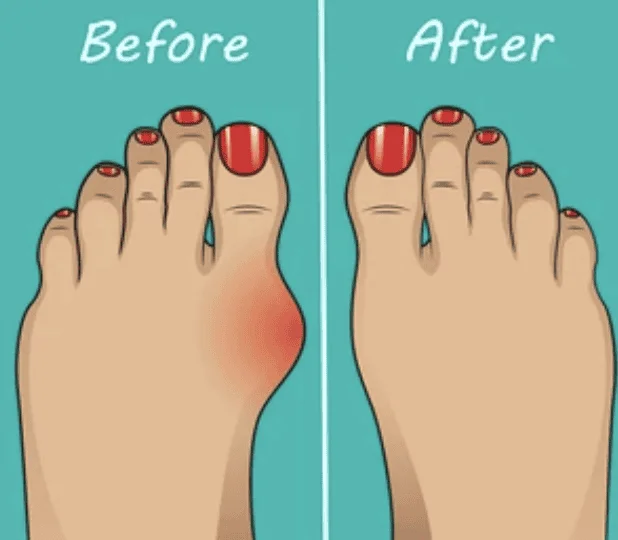


Bunions are a common foot condition that can cause discomfort and inconvenience for many individuals. While they may seem like a mere cosmetic issue, bunions can lead to significant pain and mobility limitations if left untreated for a long time. Bunion surgery, also known as bunionectomy, is often considered a viable solution for individuals experiencing severe symptoms. Below, we delve into the details of bunions, their causes, symptoms, and the various surgical options available to alleviate the condition.
Understanding Bunions
A bunion is the migration of the first metatarsal bone that causes the joint to protrude outward. This deformity typically occurs when the big toe pushes against the next toe, forcing the joint of the big toe to enlarge and protrude. While the exact cause of bunions is not always clear, several factors contribute to their development, including genetics, wearing tight or ill-fitting shoes, an increased pronatory gait pattern, and certain foot conditions like arthritis.
Symptoms of Bunions
Bunions can manifest in various symptoms, including:
- Pain or soreness: Individuals with bunions often experience pain and tenderness around the affected big toe joint, especially when walking or wearing tight-fitting shoes.
- Inflammation and redness: The bunion area may become swollen and inflamed, leading to discomfort and difficulty wearing shoes.
- Limited mobility: As the bunion progresses, it can restrict the movement of the big toe, making it challenging to perform regular activities like walking or exercising with notable pivoting, ballistic, or propulsive activity.
- Corns and calluses: Bunions can cause friction against footwear, resulting in the formation of corns and calluses on the affected toe.