What Causes Bunions: The Real Mechanism
Bunions form through a predictable chain reaction: when the big toe joint repeatedly takes force at the wrong angle, the bones quietly reorganize around that stress. According to Cleveland Clinic, this misalignment builds over years rather than weeks, which is why most people never catch the moment it begins.
How Faulty Foot Mechanics Drive Misalignment
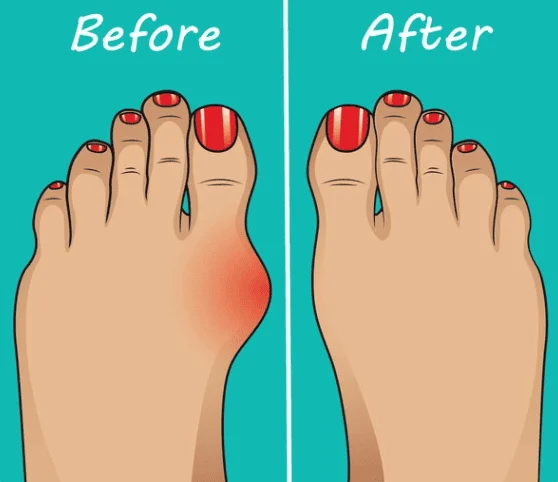
The trouble usually starts with how the foot rolls. When the arch collapses inward (pronation), the long bone behind the big toe drifts toward the center of the foot while the toe itself leans the opposite way, past its normal alignment of roughly 15 degrees. As that angle widens, the two small sesamoid bones that should sit beneath the joint slide off to the side, leaving the joint unsupported and even less stable with each step.
Why Bunions Get Worse Over Time
Once the toe starts leaning, the tendons that should pull it straight now run along the outside of the joint and behave like a bowstring, tugging the toe further out of line every time you push off. That turns a small drift into a self-reinforcing loop, which is why bunions rarely stay put and the bump tends to grow firmer over months and years. Early professional input may help slow that progression.
Genetics and Inherited Foot Structure
The strongest known driver of bunions is inherited foot structure, including foot shape, arch type, and joint laxity. This is why bunions often run in families even among people who never wore tight shoes.
Flat Feet, Low Arches, and Joint Laxity
Flat feet and low arches change how force travels through the foot, often loading the big toe joint more heavily. Loose, flexible joints add instability that lets the toe drift more easily. At PS Foot and Ankle, our team often sees these traits cluster within families.
What You Can and Can't Change
You cannot change the foot structure you inherited, but you can influence how much it progresses. Supportive choices and early evaluation give you meaningful control over the factors that are within reach.
Footwear and Daily Habits That Add Up
Footwear rarely creates a bunion on its own, but narrow, pointed, or high-heeled shoes can accelerate an existing predisposition. The Mayo Clinic notes that footwear is best understood as an aggravator layered on top of foot structure.
The Problem With Narrow Toe Boxes
Shoes that squeeze the toes together push the big toe toward the others and concentrate pressure on the joint. Worn day after day, that crowding can speed the misalignment already underway. Roomier toe boxes ease that pressure.
Standing, Walking, and High-Impact Activity
Long hours on your feet and high-impact activity add repetitive load to the forefoot, which can compound a structural tendency. For active residents across Somerset and Hunterdon counties, supportive footwear and custom orthotics for foot pain may help redistribute pressure more evenly. Ask your provider whether they fit your needs.