

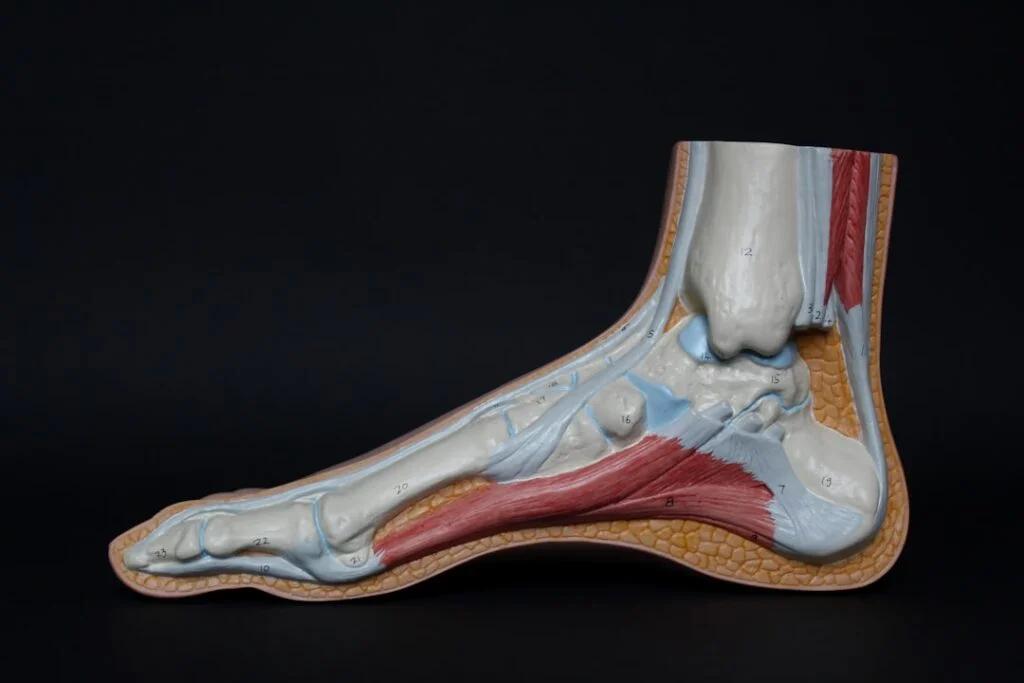


That sharp, stabbing pain in your heel when you step out of bed is one of the most common foot complaints we hear at PS Foot and Ankle in Bridgewater, NJ. Many patients arrive convinced they have a heel spur, while others assume plantar fasciitis is the culprit. The truth is these two conditions are easy to confuse, often overlap, and require different approaches to feel better. Understanding the difference between heel spur vs plantar fasciitis can help you take meaningful steps toward relief and know when to consult a podiatry provider.
Two Common Culprits Behind Bridgewater Heel Pain
Heel spurs and plantar fasciitis are the two most frequent sources of heel pain in adults, and they often appear together. A heel spur is a bony outgrowth on the calcaneus, while plantar fasciitis is inflammation of the connective tissue along the bottom of the foot. At PS Foot and Ankle in Bridgewater, NJ, our team helps patients identify which condition is driving symptoms so treatment is targeted, not guesswork.
Why These Two Conditions Get Mixed Up
Both conditions cause pain in the same general area: the underside of the heel. Imaging often reveals a heel spur on someone with plantar fasciitis, leading to the assumption that the spur is the troublemaker. Research suggests, however, that the spur itself is often a silent finding, and the surrounding inflamed fascia is the actual pain source. Knowing what causes heel pain in Bridgewater patients helps avoid misdirected care.
How Heel Pain Affects Daily Life
Heel pain can disrupt morning walks at Duke Island Park, weekend trail runs along the Raritan River, or simple errands around the township. Many patients describe limping during the first steps of the day and avoiding activities they once enjoyed. Untreated heel pain may also lead to compensation injuries in the knees, hips, or lower back as the body shifts weight to avoid discomfort.